Every homeowner planning a 2027 roof replacement runs into the same question first: what will it cost?
The honest answer is that it depends on your roof, not just its size, and the fastest way to overpay or get lowballed is to skip understanding why two quotes for similar-looking houses can land so far apart.
This guide breaks down the real cost drivers behind a roof replacement quote, using examples from homes across London, Oxford County, and the surrounding area.
What Actually Drives the Cost of a Roof Replacement
Roof replacement cost can't be reduced to a single price per square foot. Two homes in London, Ontario with nearly identical footprints can receive very different roofing quotes.
- One has a single layer of shingles over sound decking.
- The other has multiple layers, complicated valleys, damaged sheathing, poor ventilation, difficult access, and several problem areas that need attention before a single shingle goes down.
From the street, the materials look the same. The scope of work is not, and that's what your quote is actually pricing.
If you're comparing roof replacement quotes in London, Oxford County, Woodstock, Ingersoll, Tillsonburg, St. Thomas, or the surrounding communities, understanding what drives that number is what lets you compare quotes accurately, not just by price.
Here are seven things to know before you call roofers for your 2027 project.
1. Roof Size Is Only the Starting Point
It sounds obvious, but the size of the house is not the same thing as the size or complexity of the roof.
Roofers measure the actual roofing area, which can include slopes, valleys, hips, ridges, overhangs and other sections that are not obvious from the ground.
A large, simple roof can sometimes be more straightforward than a smaller roof with several intersecting sections.
That means a contractor should be pricing the actual roof, not guessing from the home's square footage.
2. Roof Pitch and Complexity Affect Labour
A simple roof and a complicated roof don't ask the same amount of the crew putting them together.
Steeper roofs need more fall protection and slower, more careful work, which raises labour.
Beyond pitch, a roof with real architectural character simply has more places that need careful attention:
- Dormers breaking up the plane
- Valleys where two rooflines meet
- Skylights bringing light into the attic
- Multiple intersecting sections instead of one clean sweep
The Canadian Centre for Occupational Health and Safety confirms as much: residential roofing methods vary depending on roof type, materials, and geographic conditions, and it draws a clear line between sloped and flat roofing systems, which drain and age differently over time.
When you're comparing two quotes, don't assume the higher number is just a bigger markup**. It may simply be pricing the shape of your roof honestly.
3. The Shingles Are Only One Part of the Roof
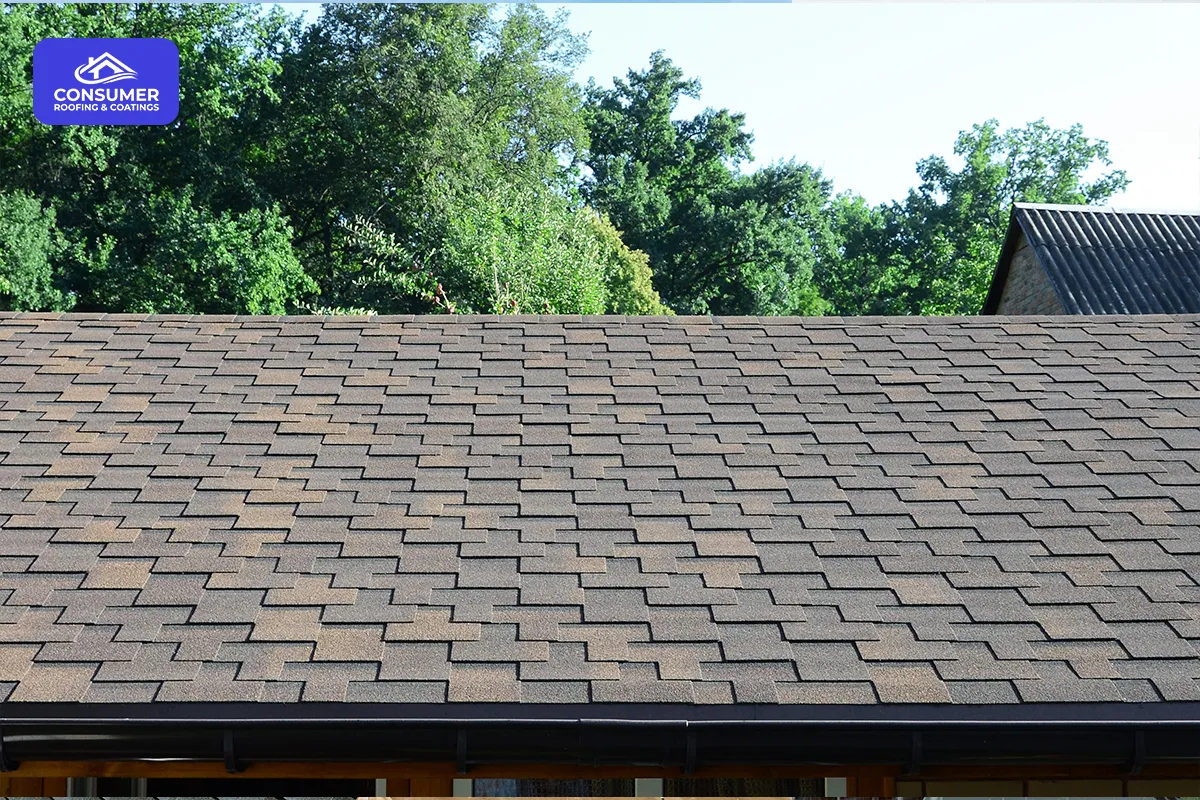
A roof is more than the visible shingles.
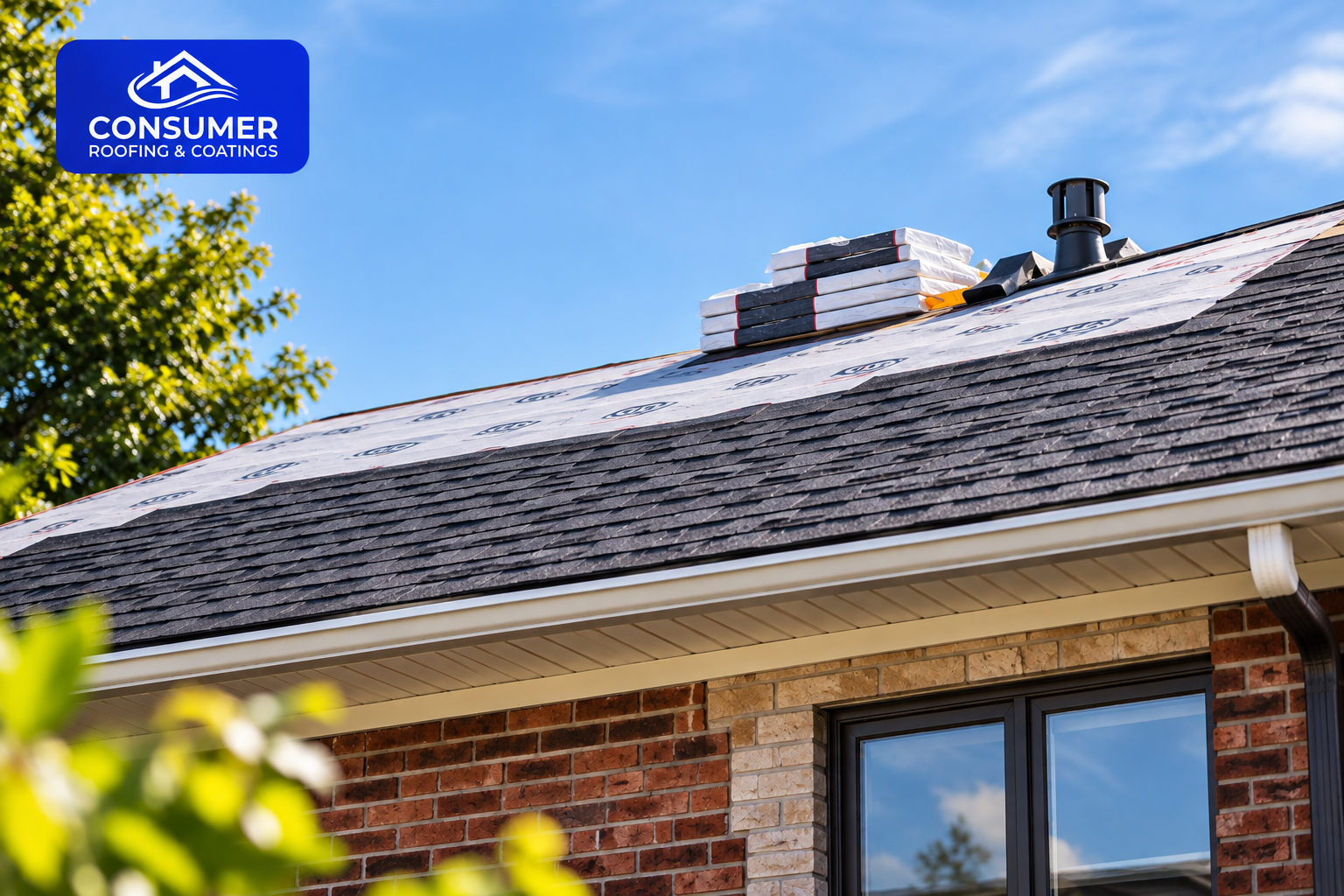
Depending on the project, the roofing system can involve:
- Underlayment
- Flashing
- Ventilation components
- Ice protection
- Roof decking
- Fasteners
That matters because two quotes can use similar-looking shingles while covering very different scopes of work.
Ask directly: what exactly is included?
If one contractor gives you a low number but another includes work the first quote leaves vague, you're not comparing two prices for the same job. A good roofing quote should make the scope understandable before work begins, not after.
Learn More About Roof Rejuvenation
4. Your Roof Deck Could Change the Final Price
A quoted estimate and the final invoice are not always the same thing.
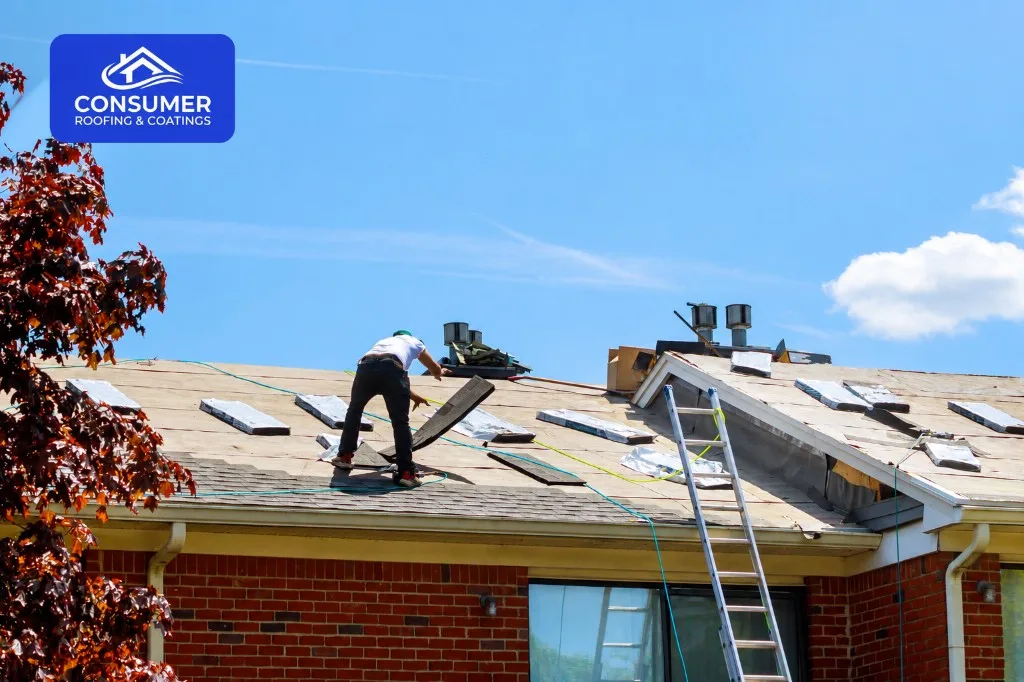
A contractor can give you an accurate price based on what is visible, but the true condition of your roof only shows up once the old shingles come off.
That is not a red flag or a padded bill. It is just reality. Nobody can see what is happening under the surface from the driveway.
Long-term moisture exposure and repeated leaks gradually rot roof decking. Natural Resources Canada highlights that roof and flashing failures are primary culprits for attic moisture, which directly leads to structural wood rot.
What matters is how your contractor handles those surprises. Before signing any contract, ask one straightforward question: If you find damaged decking after tear-off, how is that extra work priced?
Get that answer clear before the job starts, not when the bill arrives.
5. Ventilation Should Be Part of the Conversation
Replacing shingles without addressing an underlying moisture or ventilation issue can leave you dealing with the same problems again in a few years.
Attic ventilation helps reduce summer heat buildup and keeps roof spaces colder, which can lower the likelihood of ice dams. But ventilation alone doesn't fix air leakage from the living space, which is why air sealing and insulation belong in the same conversation.
When you're getting a 2027 roofing quote, ask whether the contractor has assessed:
- Soffit ventilation
- Ridge or roof ventilation
- Blocked ventilation pathways
- Attic air leakage
- Signs of condensation or moisture
- Existing ventilation problems
The answer should be based on your specific roof and attic, not a generic recommendation to add more vents.
6. The Material You Choose Changes the Budget
Asphalt shingles remain the most common residential roofing material in Canada. CCOHS gives asphalt roofing a typical lifespan of approximately 10 to 25 years, and describes metal roofing as among the more weather-resistant options available.
That doesn't mean metal is automatically better, or asphalt is automatically cheaper in every situation. It means you have different priorities to weigh, including:
- Initial project cost
- Expected service life
- Appearance
- Maintenance
- Weather performance
- Energy considerations
- Long-term value
Consumer Roofing works with several roofing systems, including asphalt shingle roofing, metal roofing, and flat roofing systems. The right material depends on the property, the roof itself, and what you want out of the investment.
2027 Prices Are Not Something Anyone Can Predict Down to the Dollar
No contractor can honestly tell you today exactly what every London roof will cost next year. There is broader construction-cost data worth knowing, though.
Turner & Townsend's 2026 Canada market intelligence forecast puts 2027 construction escalation at 4.0% nationally, while noting that actual escalation varies by project, province, project size, and procurement method. Its Ontario-specific Q1 2026 outlook gives a 2027 construction escalation range of 3.5% to 4.5%.
That's not a prediction your roof will cost exactly 4% more. It's market context, not a quote. Your actual number could move more or less depending on your materials, labour, scope, and local conditions.
The useful takeaway is simpler: if you already know you'll need a new roof in 2027, waiting until the last minute to start researching doesn't get you more information. It just gets you less time.
The Cheapest Quote Is Not Always the Cheapest Roof
Say three contractors quote the same house.
- Contractor A gives you the lowest price
- Contractor B is somewhat higher,
- Contractor C is higher again.
At first glance, A looks like the obvious choice. Then you find out B's quote clearly explains the underlayment, flashing, ventilation work, disposal, warranty, and potential decking replacement, while A's scope barely says more than "reroof."
You're no longer comparing three prices. You're comparing three different definitions of the job.
Before choosing a contractor, compare the scope, not just the bottom line. Your 2027 roofing quote should make clear:
- What roofing material is being installed
- How much roofing is included
- What happens to existing roofing layers
- What underlayment and ice protection are included
- How flashing is handled
- Whether ventilation is being assessed
- How damaged decking is priced
- What cleanup and disposal include
- What warranties apply
- What is specifically excluded
The more clearly those details are spelled out, the easier it is to compare quotes fairly.
Should You Replace Your Roof in 2027, or Wait?
This brings us back to the question you should ask before you even start collecting prices: does the roof actually need to be replaced?
- If your roof is showing widespread deterioration, recurring leaks, damaged decking, or other signs it's reaching the end of its useful life, planning a replacement makes sense.
- If it's aging while remaining structurally sound, there may be other options worth discussing first.
Consumer Roofing also provides roof repair and roof rejuvenation services, so replacement isn't automatically the starting point. That distinction alone can save you from spending money before you actually understand the condition of your roof.
Start 2027 With on the Right Foot
If you already suspect your roof will need replacement next year, November is a good time to stop guessing.
For homeowners across London, Middlesex County, Oxford County, Elgin County, and the surrounding Southwestern Ontario communities, Consumer Roofing provides roofing repairs, rejuvenation, replacements, and other roofing solutions based on the actual condition and needs of the property.
A roof is a significant investment. The smartest way to approach a 2027 replacement isn't chasing the lowest number. It's understanding the number before you agree to it.