Welcome to the roofing paradox: a roof can look old without being ready for replacement. It can also look fine from the driveway while a flashing problem, ventilation issue, or damaged roof deck is already causing trouble underneath. Age is a poor way to make that call either way.
For homeowners in London, Woodstock, Ingersoll, Tillsonburg, St. Thomas, and the surrounding Southwestern Ontario communities, the better question is simpler: what condition is the roof actually in? A qualified inspection separates three very different situations:
- A problem that a targeted repair can fix
- An aging but structurally sound roof that may benefit from rejuvenation
- A roof that has reached the point where replacement makes more sense
Those three paths carry very different costs, timelines, and outcomes, which is exactly why getting the diagnosis right has to come before choosing the treatment.
Start With the Condition, Not the Calendar
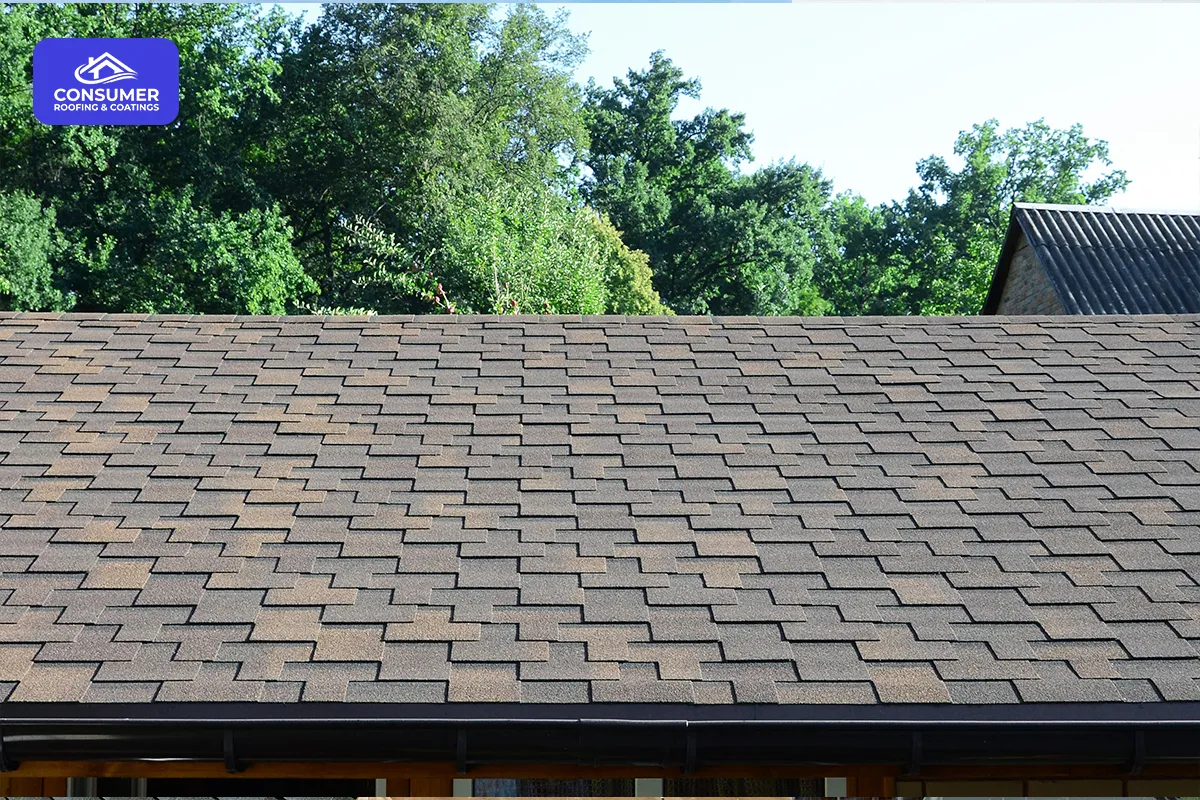
Asphalt shingles are the most common residential roofing material in Canada, and the Canadian Centre for Occupational Health and Safety gives them a typical lifespan of roughly 10 to 25 years.
That range is useful context, but it was never meant to be a replacement schedule.
Two roofs installed the same year can age on completely different timelines, depending on:
- Pitch
- Ventilation
- Installation quality
- Weather exposure
- Maintenance history
- Previous repairs
- The condition of the underlying roof system
All of that shapes what a contractor actually finds during an inspection. A 15-year-old roof isn't automatically a replacement candidate, and a 22-year-old roof isn't automatically past saving. The roof has to be read as a system, not a birthdate.
When a Roof Repair May Be Enough
A repair makes sense when the problem is contained and the rest of the roof is in reasonably good shape.
The keyword is localized. If the shingles around the problem still have useful life left and the structure underneath is sound, replacing the entire roof solves a much bigger problem than the one you actually have.
That's why an honest assessment should explain the reasoning behind a repair recommendation, not just hand you a price.
Natural Resources Canada notes that moisture can enter an attic through roof or flashing failures, with valleys, hips, and chimneys requiring particular attention, and that water stains beneath the roof sheathing can signal an exterior moisture problem. In other words, finding where the leak is coming from matters just as much as finding the stain it left behind.
When Roof Rejuvenation May Make Sense
This is where the diagnosis gets more interesting.
Some aging asphalt roofs aren't in good enough shape to ignore, but they also aren't necessarily ready to be torn off. Rejuvenation can be the option in between.
The important qualification is that rejuvenation isn't right for every aging roof. If the shingles are severely deteriorated, the deck is compromised, leaks are showing up in multiple places, or the system has reached the end of its practical life, rejuvenation is unlikely to hold.
That's why a rejuvenation assessment needs to look past the shingles themselves and ask the real question: is the roof aging, or is it failing? Those aren't the same thing. A roof that's aging but structurally sound may be a good candidate for rejuvenation. A roof failing across multiple areas is a replacement conversation.
Consumer Roofing offers it as a way to restore aging shingles and potentially extend a roof's useful life without moving straight to full replacement, saving you time and thousands of dollars.
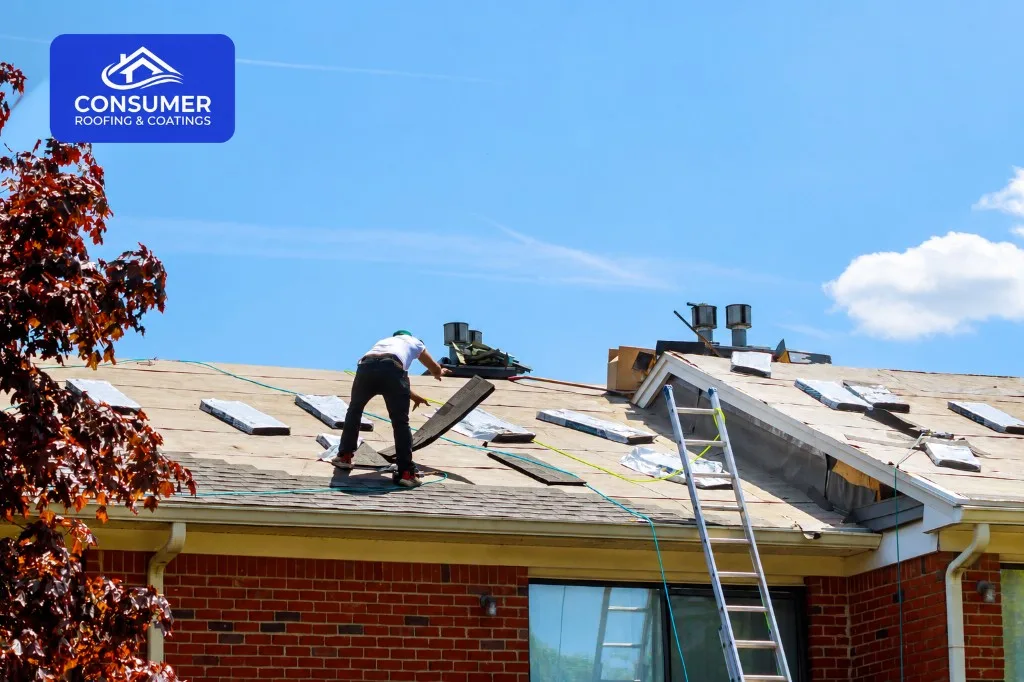
When Replacement Becomes the Better Choice
Replacement earns its place when the problems are widespread rather than isolated. Watch for a combination of:
- Extensive cracking, curling, or lifting shingles
- Significant granule loss across large areas
- Repeated leaks in different locations
- Widespread flashing deterioration
- Visible sagging
- Damaged or deteriorated roof decking
- Multiple layers of old roofing
- Storm damage affecting a substantial portion of the roof
- A roof that has already required repeated repairs
One issue on its own doesn't necessarily mean replacement. Several issues showing up together tells a different story. Spending money on one leak might make perfect sense for an otherwise healthy roof. Spending money on the fifth leak, in five different spots, on an aging roof usually just postpones a bigger decision you're going to have to make anyway. That's exactly where a professional inspection earns its cost.
Your Attic Can Tell You What the Roof Cannot
Most homeowners inspect a roof from the ground. The attic tells a different story.
Natural Resources Canada recommends checking for water marks on the underside of the roof sheathing, wet insulation, mould, rot, and condensation, and notes that moisture can originate from roof failures, flashing problems, or air leakage from inside the home itself.
Ventilation deserves its own look, too. A poorly functioning attic system can contribute to both moisture problems and ice dam formation. NRCan explains that proper attic ventilation helps keep the roof space colder and less prone to ice dams, while also stressing that ventilation alone doesn't fix problems caused by air leakage. That distinction matters: if a contractor tells you that you simply need "more vents," ask what specific problem the extra ventilation is meant to solve. The real fix might involve ventilation, air sealing, insulation, flashing, roofing material, or several of those working together.
What Ontario Weather Does to an Aging Roof
Southwestern Ontario doesn't make it easy on an aging roof. London's 1991 to 2020 climate normals show an average daily temperature of 9.9°C in October, dropping to 3.6°C in November and −2.0°C in December, with average daily lows moving from 5.0°C in October to −0.3°C in November and −5.2°C in December.
That swing matters most when a roof already has a weak point. Freeze-thaw cycles open opportunities for water to work its way into vulnerable areas, and ice dams can back water up beneath the shingles and into the attic. NRCan specifically names ice dams as a source of roof leaks and recommends addressing air leakage, insulation, and roof system details as part of prevention.
So if you already suspect your roof has a problem, October isn't the month to hope it makes it through one more winter unattended.
The Three Questions to Ask Before You Choose
Before agreeing to a repair or a replacement, ask your contractor these three things directly.
1. What exactly is failing?
You should walk away knowing whether the issue is the shingles, the flashing, the ventilation, the decking, or another part of the system, not just that "the roof needs work."
2. How widespread is the problem?
A single, localized defect and widespread deterioration call for two completely different plans. Make the contractor draw that line for you.
3. How much useful life is realistically left?
Nobody can promise an exact number of years, but a straight answer here tells you whether repairing the current roof is a sound investment or whether you'll be back paying for the same problem again next season.
Those three answers tell you more than any version of "your roof is getting old" ever will.
What If You're Planning for 2027?
If your roof is aging but not yet failing, you may still have room to make this decision on your own timeline instead of a leak making it for you. That could mean repairing a specific problem now, evaluating whether rejuvenation makes sense, or planning a full replacement for 2027 before it becomes urgent.
That last option matters most if you already suspect the roof is nearing the end of its practical life. Planning ahead buys you time to compare materials, understand the scope of work, ask real questions about ventilation and flashing, and choose a contractor without a leak forcing the decision.
The Right Roofing Solution Starts With the Right Diagnosis
A roof replacement isn't automatically the right call just because a roof is getting older. A repair isn't automatically the cheaper call either, if the same roof is developing problems in multiple places at once. The goal, either way, is understanding what you actually have before deciding what to do about it.
For homeowners across London, Oxford County, Elgin County, and the surrounding Southwestern Ontario communities, Consumer Roofing provides assessments and roofing solutions ranging from repairs and rejuvenation to complete replacement. If you're not sure which one your roof needs, start with the condition of the roof, not the age on the calendar.